

Australia is facing a GP crisis. The shortage of general practitioners makes headlines regularly, particularly in rural and regional areas.
But there's a parallel shortage that receives less attention: medical receptionists.
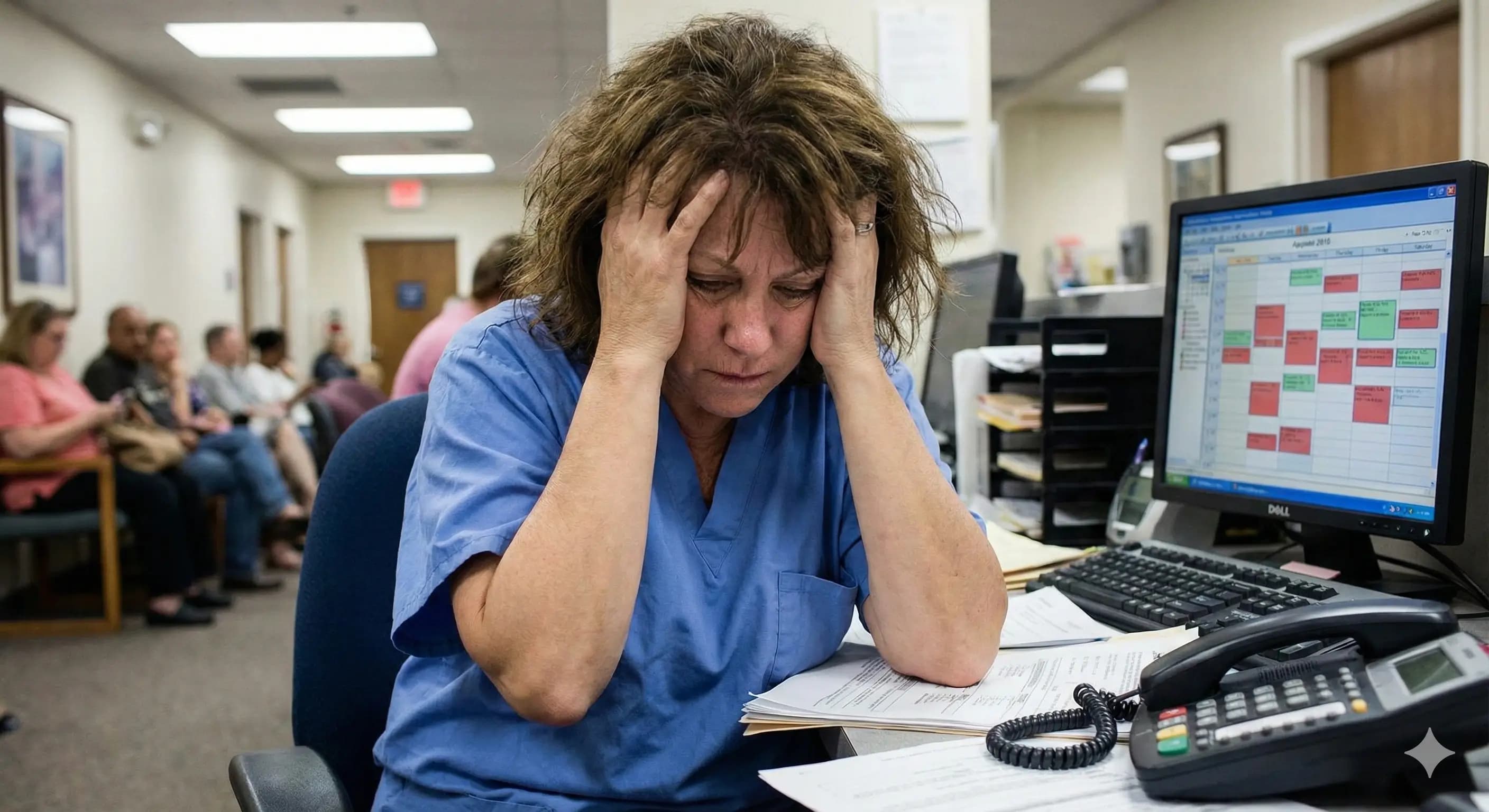
Behind every overwhelmed GP practice is a reception team stretched beyond capacity. They're fielding hundreds of calls daily, managing complex scheduling, handling emotional patients, and trying to maintain service levels with insufficient resources.
A medical virtual receptionist can't solve the GP shortage. But it can provide meaningful relief to the reception teams bearing the brunt of healthcare system pressure.
Featured snippet: Medical virtual receptionists handle 60-70% of routine calls automatically. Appointment booking, reminders, prescription requests, and after-hours answering frees up human receptionists to focus on complex patient needs while dramatically reducing burnout and turnover.
The Hidden Receptionist Crisis
Burnout and Turnover
While GP numbers get attention, reception staff face their own crisis:
- Healthcare admin has among the highest burnout rates
- Staff turnover in medical reception: 25-35% annually
- Training new staff takes 3-6 months
- Each departure disrupts practice operations
Increasing demands: Call volumes rising as the population grows. Patient expectations increasing. Complexity of administration growing. Same or fewer staff to handle it all.
Limited supply: Competition from other industries. Wages are constrained by healthcare economics. Medical centres with long wait times are extremely stressful work environments for receptionist staff. Career progression is limited.
A Day in the Life
Here's what a typical medical receptionist faces:
8:30am: Arrive to voicemails from overnight, queue of patients at desk.
9:00am: Phones start ringing and don't stop.
10:00am: Juggling phone, desk patients, prescription requests simultaneously.
11:00am: Running behind, patients complaining about wait times.
12:00pm: "Lunch" while answering phones.
1:00pm: Afternoon rush begins.
3:00pm: Trying to catch up on admin while phones keep ringing.
5:00pm: Close doors but calls keep coming.
5:30pm: Finally address today's paperwork.
Throughout all of this? Managing difficult patients, doctor interruptions, system issues, and constant multitasking.
The Impact
On staff:
- Chronic stress and burnout
- Physical symptoms (voice strain, RSI)